
Christmas Lights on Tile Roofs: The Napa Problem
Why clay and concrete tile is the single most common way a holiday lighting job goes wrong here — and how a tile-safe install actually works.
Call or text (707) 343-4469 Get a Free Quote
- Veteran owned
- Family run
- Napa local
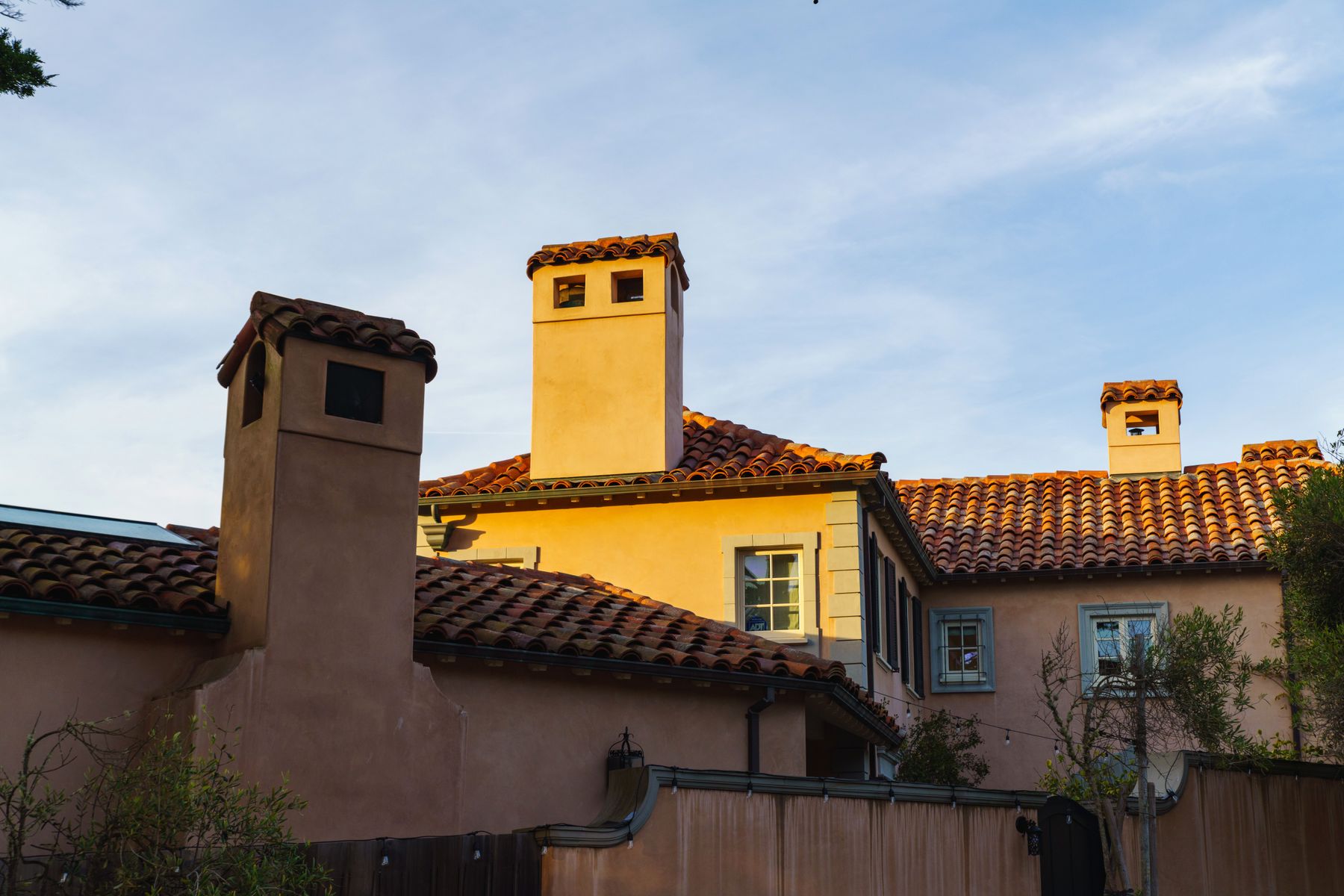
If you live in Napa, Yountville, American Canyon or large parts of Sonoma, there is a good chance your roof is clay or concrete tile. It is the defining feature of California residential architecture and it is also, quietly, the reason a lot of holiday lighting jobs end badly.
This page explains the problem properly, because it is the single most useful thing a valley homeowner can understand before hiring anyone.
What actually happens when someone walks tile
Tile is strong vertically and weak under point loading. A boot on the wrong part of a barrel tile — the unsupported span between battens — cracks it. Often the crack is hairline and invisible from the ground, and often nothing happens immediately.
Then February arrives. Water gets through the crack, runs onto the underlayment, finds a seam, and shows up as a stain on a ceiling or a damp patch in an upstairs corner. By that point the lights have been down for a month and nobody connects the two events. The homeowner calls a roofer, pays for a repair, and never learns what caused it.
This is why we treat “how will you reach my roofline?” as the most important question you can ask a holiday lighting company with a tile roof.
How a tile-safe install works
- Everything from the perimeter. Ladders around the edge of the building, never onto the tile field. The installer’s weight stays on the ladder.
- Gutter-line clips do most of the work. Most tile homes have gutters, and a clip on the gutter lip carries the same clean roofline outline you would get from a shingle roof. Visually the result is nearly identical.
- Tile-edge clips where there is no gutter. These grip the first course of tile at the edge without anyone standing on it.
- Steep barrel ridgelines get designed around, not walked. If a run cannot be reached from a ladder, we do not quote it. That budget goes into trees, columns, entries and walkway lighting instead.
- Nothing is fastened into the roof or fascia. No nails, no screws, no staples. Clips come off with the lights in January.
What you give up, honestly
A perimeter-only install cannot light a high ridgeline on a steep barrel-tile roof. On some houses that means the very top line of the roof stays dark.
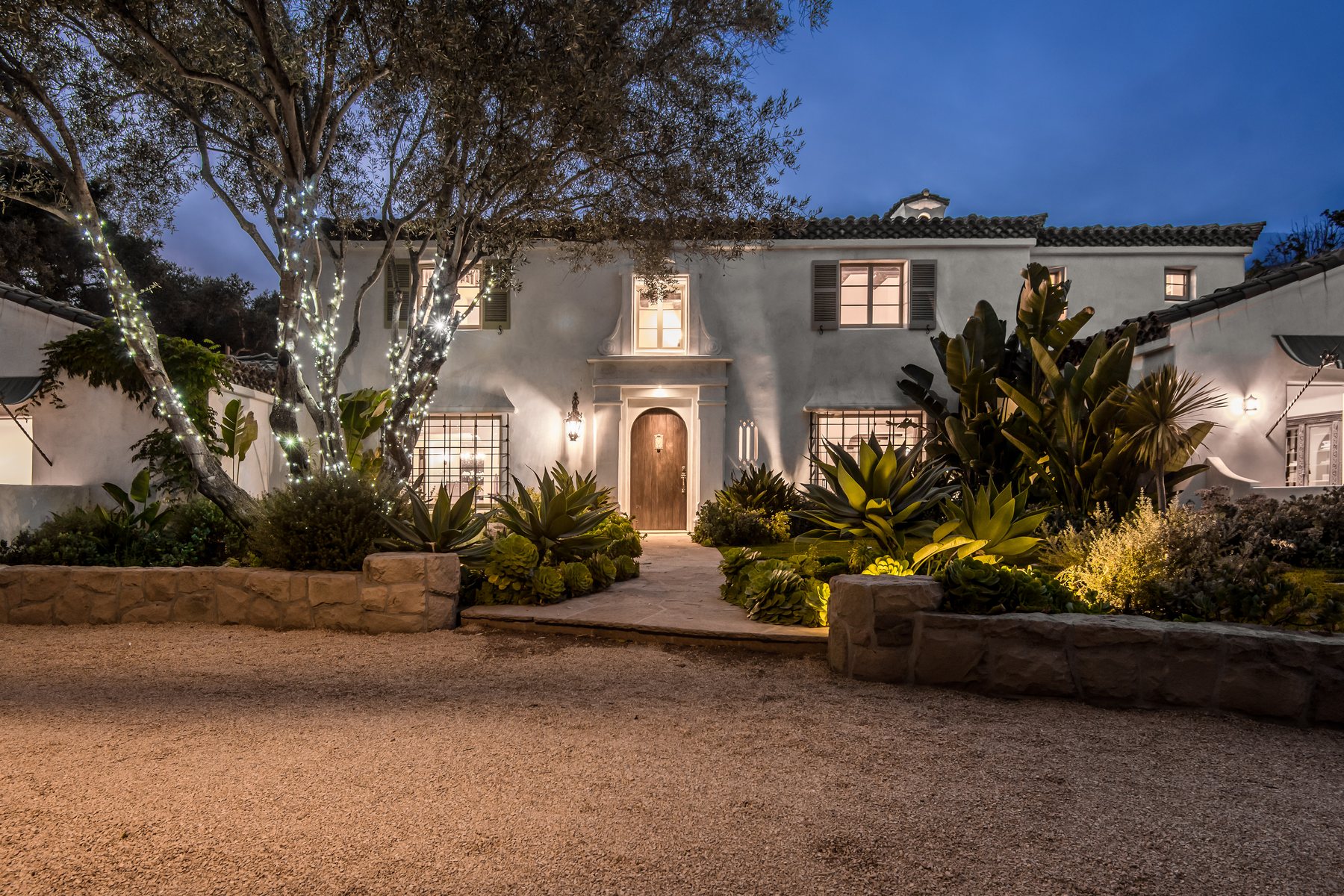
In practice this matters far less than people expect. The eave line is what reads from the street; the ridge is often barely visible from ground level anyway. And the budget that would have gone into an unreachable ridge buys wrapped trees, lit columns and a properly lit entry — all of which are closer to the viewer and photograph better. On most tile homes the redesigned version looks better than the original request.
Questions to ask any installer, if you have tile
- “How will you physically reach my roofline?” If the answer involves walking on the tile, stop there.
- “What happens if a tile cracks?” A company that has thought about this has an answer. One that hasn’t will be vague.
- “Are you quoting the ridgeline?” If they are, on a steep barrel roof, ask how — because the honest answer is that it needs a roof walk.
- “What clips are you using on tile?” Gutter-line and tile-edge clips are the right answers. “Whatever we have” is not.
- “Are you insured, and does it cover roof damage?” Ask before, not after.
📞 Call or text (707) 343-4469 for a tile-safe walkthrough on your property. Get a Free Quote
Common questions
Is it ever safe to walk a tile roof?
How can you tell if my tile is clay or concrete?
Will a gutter-line install look worse than a roof install?
What if I already had someone walk my roof last year?
Do you charge more for tile roofs?
Can you do anything with a flat or low-slope tile section?
My HOA wants the whole roofline lit. What then?
Does this apply to slate as well?
📞 Call or text (707) 343-4469 and we will show you exactly what is reachable on your roof. Get a Free Quote